We’ve all had those mornings. You wake up looking forward to a quiet brewing ritual, only to end up with a cup that tastes a bit too bitter or strangely flat. For a long time, we just blamed it on bad luck, a shifting mood, or the mysterious “gut instinct” of whoever was behind the counter.
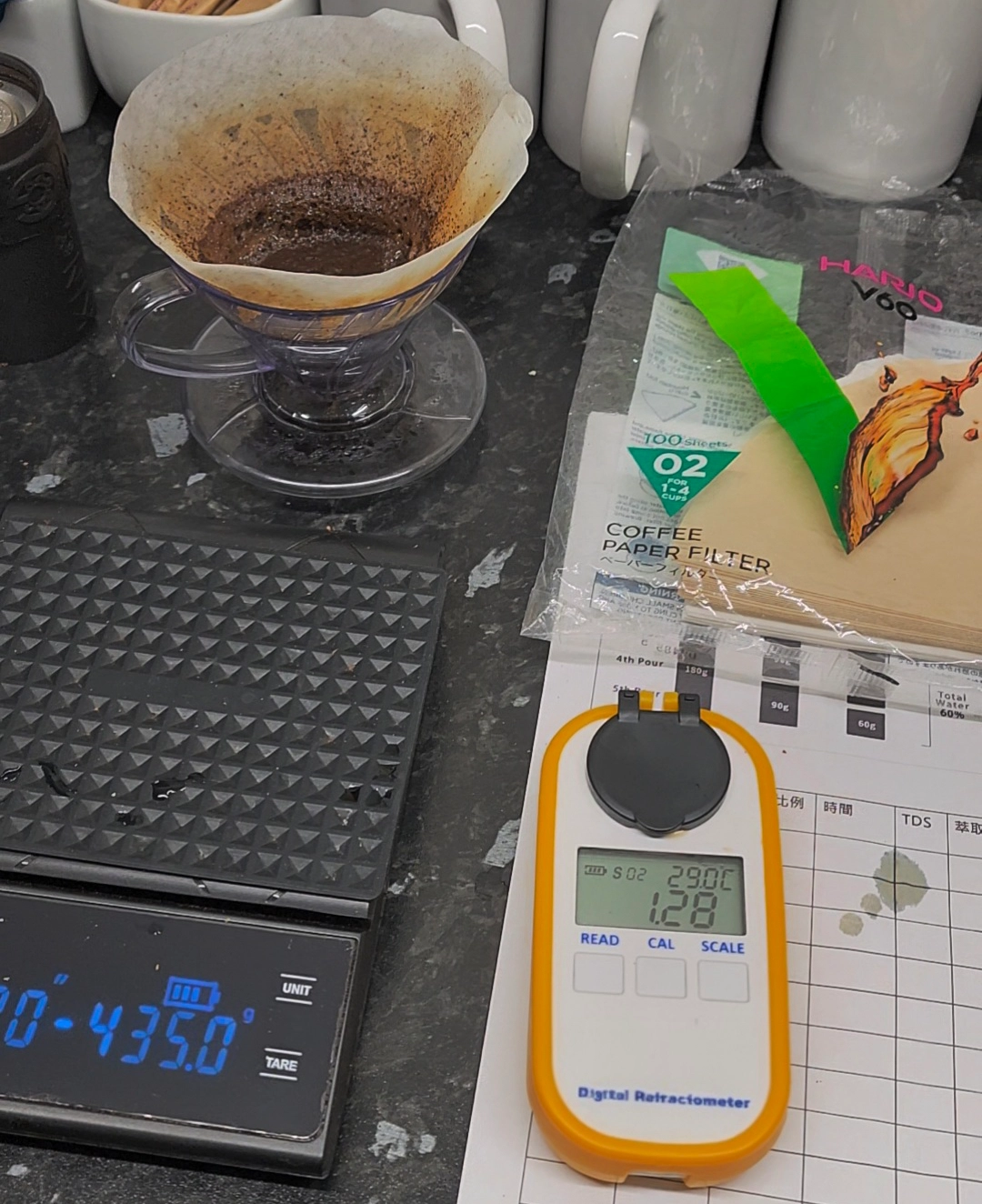
But recently, looking at the latest research coming out of the UC Davis Coffee Center and the Specialty Coffee Association (SCA), it feels like the era of pure guesswork is quietly coming to an end. Walk into your favourite local cafe today, and you might notice refractometers and water-quality analyzers sitting right alongside the familiar digital scales.
This isn’t about turning our peaceful morning coffee into a stressful chemistry experiment. Instead, it’s about finding a shared language. It’s about giving baristas a way to capture a single moment of absolute brewing brilliance and share it with someone else, across different time zones and changing seasons.
When we look under the hood of modern brewing, three quiet metrics are changing the conversation:
- Particle Distribution: Moving beyond just “grind size” to understand the delicate balance between extra-fine dust and coarser particles.
- Water Minerals: Keeping a close eye on calcium, magnesium, and total alkalinity—aiming for that gentle 30–50 mg/L sweet spot where flavours truly open up.
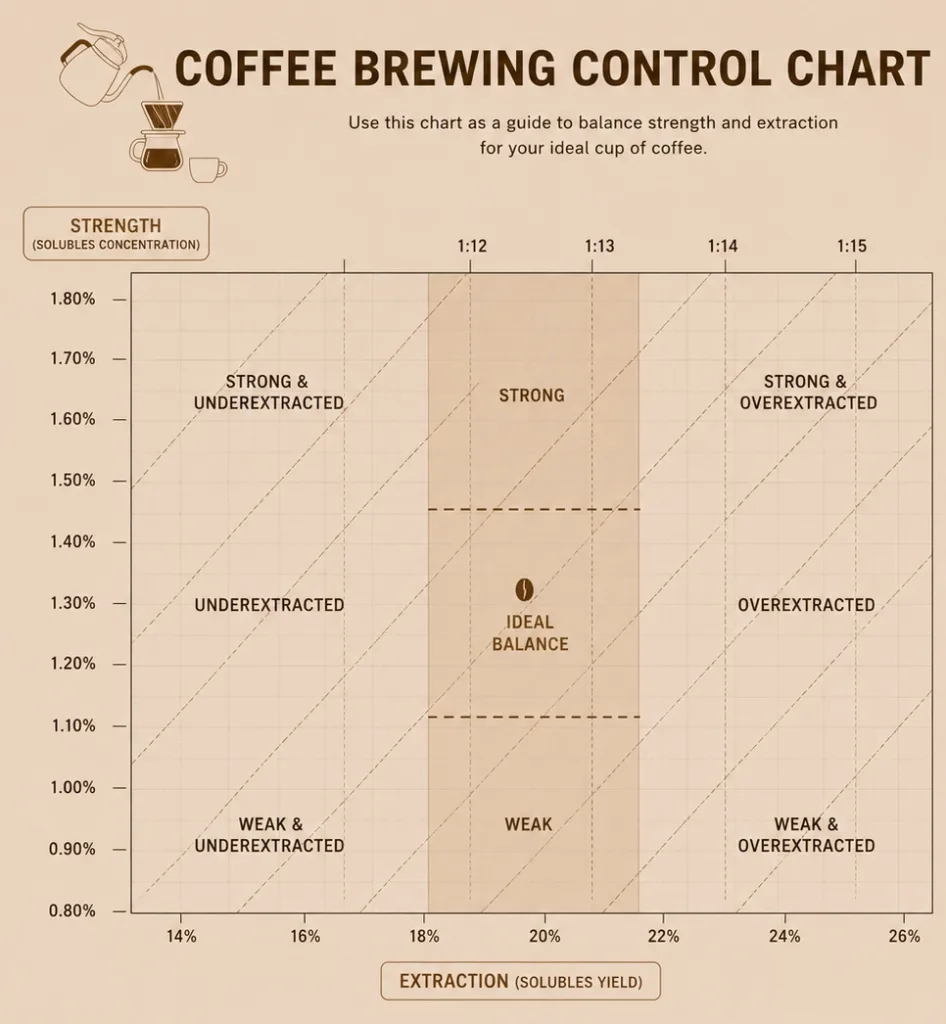
- TDS 2.0: Using Total Dissolved Solids not just as a cold number, but as a roadmap to nudge a coffee toward brighter fruit notes or a heavier, comforting chocolate finish.
Where Logic Meets Emotion: The 4:6 Method
Whenever we talk about reducing coffee to numbers, a natural question comes up: does the ritual lose its soul when it becomes too precise?
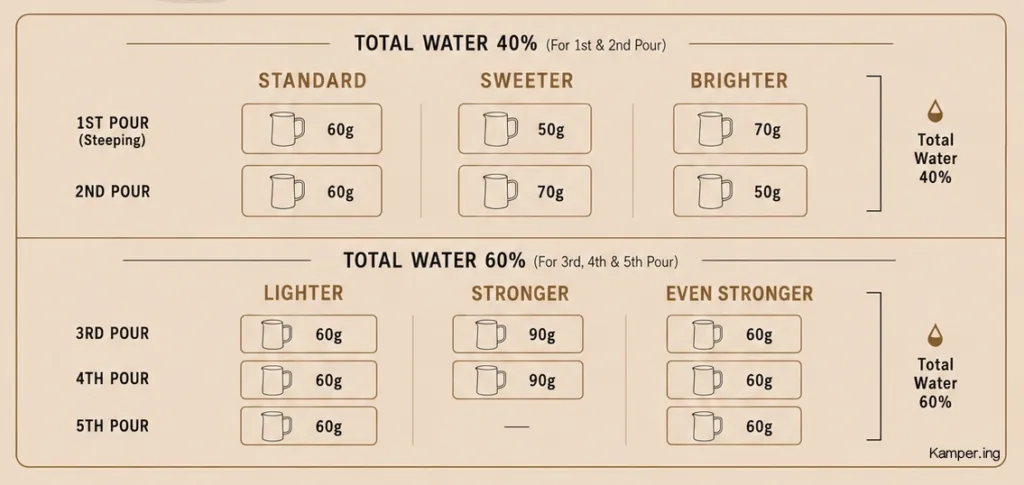
The answer, famously demonstrated by World Brewers Cup champion Tetsu Kasuya, is that numbers are often where the soul hides. His beautiful “4:6 Method” takes a standard pour-over—using a simple 1:15 ratio of 20g of coffee to 300g of water—and breaks it down into a highly intuitive rhythm:
- The First 40% (120g of water): This controls the delicate balance between sweetness and acidity. Pour a little more early on, and you get a bright, vibrant cup. Pour less, and the natural sweetness takes center stage.
- The Remaining 60% (180g of water): This dictates the body. You can finish it in one smooth, continuous pour for a clean, light finish, or divide it into three smaller pours to build something rich, heavy, and comforting.
Combined with a mindful eye on your kettle temperature—around 93°C for light roasts or dropping to 83°C for darker beans—these numbers stop feeling like rules. They become a form of care.
Protecting the Senses
Human taste is a beautiful thing, but it is also fragile. A change in room humidity, a restless night’s sleep, or even a stressful morning commute can completely alter how we perceive flavour on any given day.
Data was never meant to replace a barista’s palate; it was designed to protect it. By grounding the variables we can’t control—like water quality and grind consistency—we clear away the noise. What’s left behind is the honest truth of the coffee: the unique soil of the origin, the care of the processing, and the roaster’s true intent.
The future barista isn’t less of an artisan. They are simply an artisan who finally has the tools to make a fleeting, beautiful “wow” cup into a repeatable, daily promise. It isn’t a cold miracle of science—it’s just a gentler way of looking after the moments that matter.


Add comment